
We’ve all heard of it. It’s the novel that spawned countless adaptations, coined the ultimate enemies-to-lovers trope, and introduced us to one of literature’s most beloved couples: Elizabeth Bennet and Mr. Darcy. But if you think Jane Austen’s Pride and Prejudice is merely a romantic period drama, you’re missing the sharp, witty, and utterly brilliant core of this masterpiece. Two centuries later, it remains not just a story, but a refreshingly insightful mirror held up to society—and ourselves.
The plot is deceptively simple. In the English countryside, the sharp-witted Elizabeth Bennet navigates the pressures of her family, her mother’s desperation to marry off her five daughters, and the arrival of two wealthy gentlemen: the charming Mr. Bingley and his aloof, proud friend, Mr. Darcy. What follows is a dance of first impressions, wounded pride, and deeply held prejudices. Darcy deems Elizabeth “tolerable” but not handsome enough to tempt him; Elizabeth, upon hearing it, swiftly judges him as the most arrogant man in England. Their journey from this initial clash to a meeting of minds and hearts is the engine of the novel, but the real magic lies in the detours.
Austen’s genius is in her satire and social commentary. Pride and Prejudice is a laugh-out-loud funny critique of class, manners, and the limited options available to women. Through characters like the obsequious Mr. Collins, the recklessly flirtatious Lydia, and the eternally sardonic Mr. Bennet, Austen creates a world that feels both distant and uncomfortably familiar. Elizabeth herself is a heroine for the ages—not a passive princess, but a discerning, flawed, and fiercely independent thinker who values integrity over social advantage.
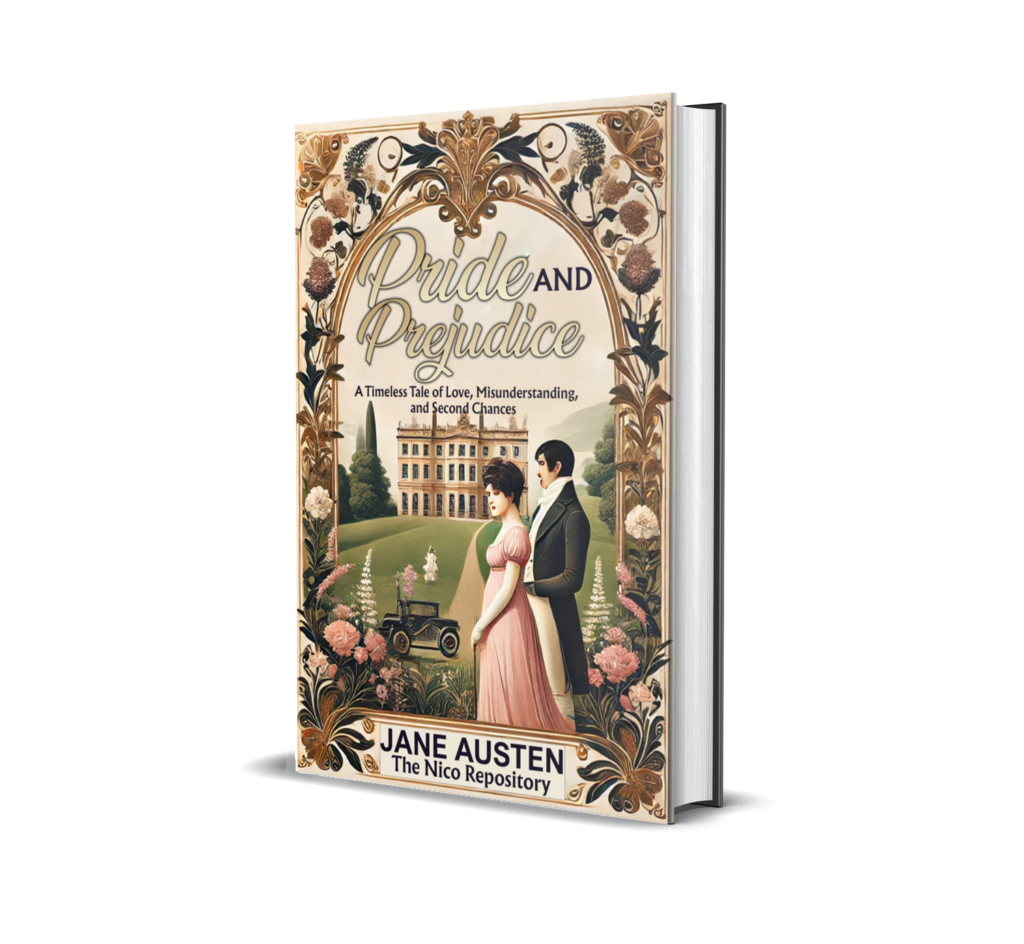
This brings us to the enduring heart of the story: its profound lesson in humility and understanding. The “prejudice” in the title belongs as much to Elizabeth as the “pride” does to Darcy. The novel’s pivotal turn isn’t a grand romantic gesture, but a letter—a moment of vulnerable explanation that forces Elizabeth to confront the fact that her own perceptions, however clever, can be dangerously wrong. It’s a story about the courage to admit fault and the grace to change one’s mind.
This is why we still read it. We see our own quick judgments in Elizabeth’s and our own guarded defensiveness in Darcy’s. Their happy ending feels earned, a triumph not just of love, but of personal growth. To experience Pride and Prejudice is to enjoy a perfect comedy of manners, a timeless romance, and a deeply moral tale, all woven together with unparalleled wit.
And the best way to experience it? By immersing yourself in the original text, free from the interpretations of film or television. The nuance of Austen’s prose, the subtlety of her irony, and the strength of Elizabeth’s voice are best absorbed from the page.
Ready to lose yourself in this perfect novel? You can purchase a beautiful edition of Pride and Prejudice directly from our shelves at The Nico Repository. Add this essential classic to your personal library today, and discover—or rediscover—why some stories truly are timeless.
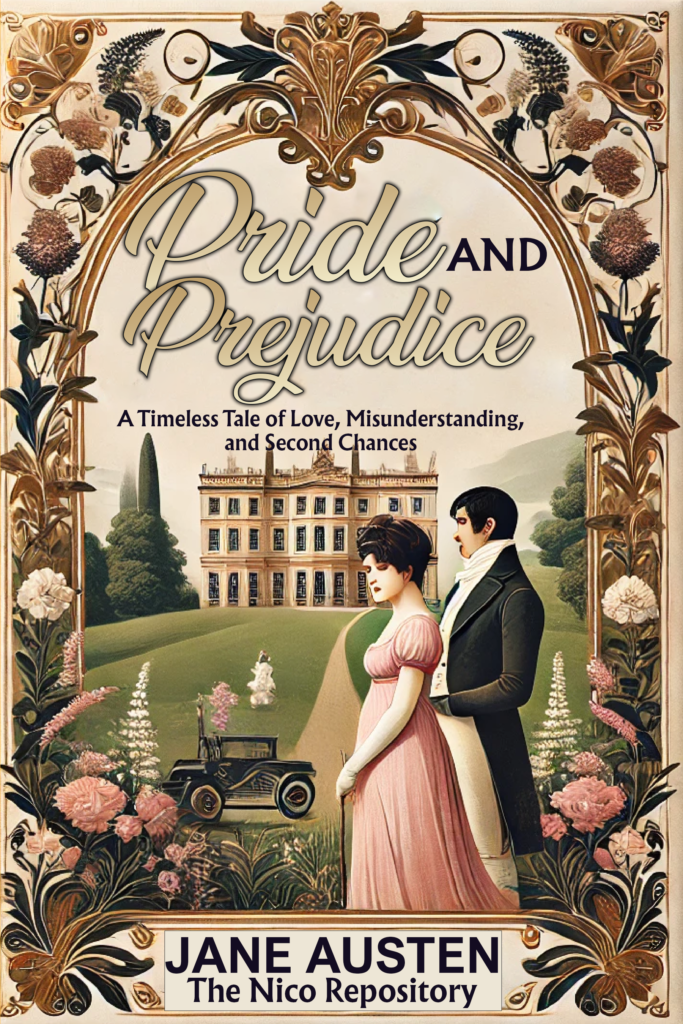
Pride and Prejudice: A Timeless Tale of Love, Misunderstanding, and Second Chances
Jane Austen’s Pride and Prejudice is a witty and romantic tale of love, social status, and personal growth in Regency England. Follow Elizabeth Bennet as she navigates matters of the heart, family, and society.